Opera and music
|
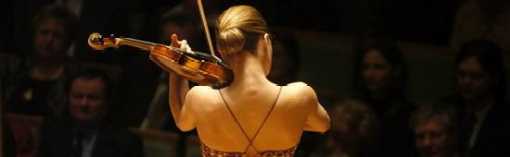
In Budapest you can walk trought the most important cultural avenue of Europe. The phrase "cultural avenue" was devised by Budapest-lover culture and tourism experts around 2000. They were trying to adapt the popular term Museum Mile of some American cities into Hungarian. They figured that a similar "institution" exists in Budapest, and it can be explored on foot or using the excellent public transport, although it is not situated along one single road and has a large river in between. A significant share of Budapest's greatest museums is lying along this axis. In fact, nearly half of it lies along the straight Andrássy út, which was built by the Founding Fathers of Budapest in order to create a representative riding and cart-driving route between the city centre, and the City Park (Városliget), which was becoming fashionable at the time. In a broader sense, the Cultural Avenue means the way from the Castle to the City Park, while in the narrower sensem it means Andrássy út + the sights in the City Park. We are offering accomodation close to the main thatres of Budapest. ![]() There is a huge range of cultural entertainment to choose from in Budapest. There are theatrical performances and concerts of classical and light music every day, with both Hungarian artists and guests from all over the world. The Budapest Spring Festival and the Budapest Autumn Festival are two major international music, theatre, film and art festivals. Grand opera and ballet are staged at both the Opera House and the Erkel Theatre, whereas the Operetta Theatre is the place to see and hear the operettas and musicals of Lehár, Kálmán and Abrahám. The Phantom of the Opera is on all the year round at the Madách Theatre, and foreign language productions, mostly English, are put on at the Merlin Theatre. Vibrant folk music and dancing shows are regularly held at the Buda Vigadó and Duna Palota Theatres ![]() |
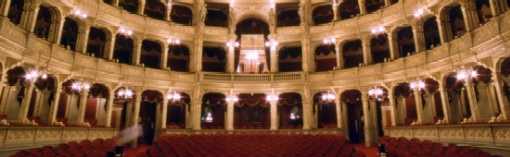
TheatersHungarian State Opera House - VI. Andrássy út 22.Budapest is proud of possessing one of the most beautiful opera houses in the world. The opening performance of the Opera House was held in the neo-Renaissance building, the jewel of the avenue, in 1884 after nine years of construction. The staircase and the auditorium of the palace, designed by one of the best architects of those days Miklós Ybl, are decorated with frescos of eminent Hungarian painters such as Bertalan Székely, Mór Thán and Károly Lotz. The first director was Ferenc Erkel, Gustav Mahler held this post for several years, and Puccini directed the premiere of two of his operas here. Renowned guest conductors include Otto Klemperer, Sergio Failoni and Lamberto Gardelli. It is still one of the best opera houses in Europe. Well worth a visit, even for those who do not especially like operas. ![]() Music Academy - VI. Liszt Ferenc tér 8. The Academy of Music is located next to Andrássy út and Oktogon. Officially called the Ferenc Liszt College of Music Art, it was founded in 1875 and first presided over by the new institution's co-founder and eponym; its first managing director was the world famous composer Ferenc Erkel. The Academy today not only trains musicians to the highest standard, but it also functions as the centre of concert life in Budapest. The Art Nouveau edifice seen today was completed in 1907 featuring the richest interior decoration ever built in this style in the capital. Its large hall offers excellent acoustics for an audience of 1200; there is also a smaller concert hall with 400 seats. Even if you are not a big fan of classical music, it is worth buying a concert ticket just to admire the beautiful interior of these concert halls. ![]() National Dance Theatre - Színház utca 1-3. Performances of all kinds of dance classical ballet, folk, modern, and contemporary are presented to the audience of children, youth and adults. The repertoire is completed by guest performances - jazz, classical, gipsy folk music, performances of the Budapest Chamber Opera, the Deutsches Theater Budapest. Apart from providing a stage for the art of dance in Budapest, the National Dance Theatre organizes performances and international festivals throughout the country inviting Hungarian and foreign professional companies. We are convinced that the National Dance Theatre situated in spectacular surroundings, impressed by a hystorical, meanwhile intimate atmosphere will become a significant place of the Hungarian culture, providing not only dance performances but exhibitions, book presentations, meetings, press conferences and other ceremonial events. ![]() |
e-mail reservation

What to do
Dining and nightlife
Culture in Budapest
Europe city tour
...
Apartment Tosca
Apartment Puccini
Apartment Caruso
Apartment Opera Romantica
Apartment Paganini
Apartment Carmen
Apartment Bizet
Apartment Turandot
Apartment Boheme
Apartment Callas
Apartment Bolero
Apartment Strauss
Apartment Mozart
Apartment Beethoven
Apartment Rigoletto
Apartment Verdi
Apartment Rozsa
Apartment Vivaldi
Apartment Puccini
Apartment Caruso
Apartment Opera Romantica
Apartment Paganini
Apartment Carmen
Apartment Bizet
Apartment Turandot
Apartment Boheme
Apartment Callas
Apartment Bolero
Apartment Strauss
Apartment Mozart
Apartment Beethoven
Apartment Rigoletto
Apartment Verdi
Apartment Rozsa
Apartment Vivaldi